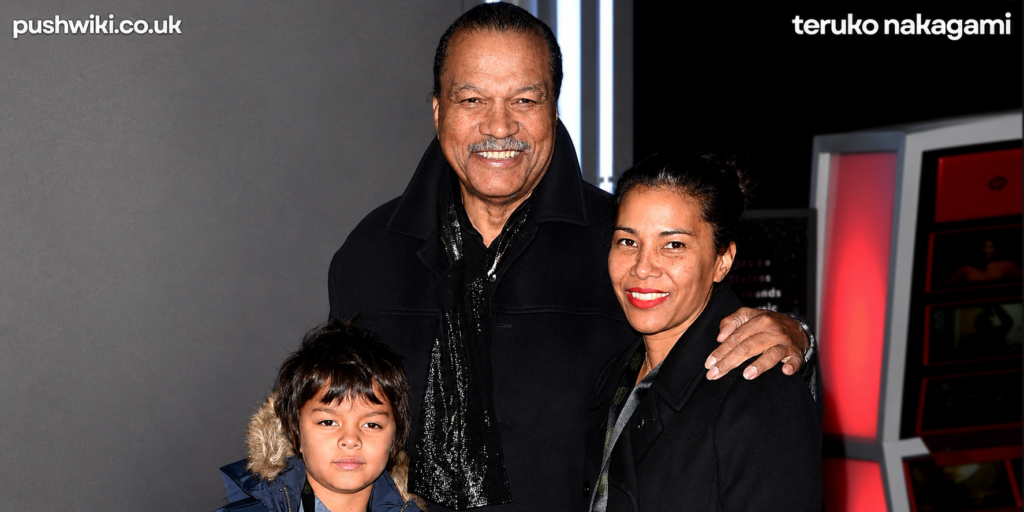

Teruko Nakagami is widely recognized as the wife of legendary Hollywood actor Billy Dee Williams, but her story extends far beyond her marriage to a famous celebrity. Over the years, public interest in Teruko Nakagami has continued to grow because of her deep connection to entertainment history, jazz culture, Hollywood legacy, and her long-standing relationship with one of cinema’s most iconic stars. Despite being linked to famous personalities for decades, she has maintained an exceptionally private lifestyle, which has only increased public curiosity about her background, family, and personal journey.
Many people searching for information about Teruko Nakagami want to know more about her early life, her marriage to Billy Dee Williams, her connection to jazz musician Wayne Shorter, and the family she built through decades of life in and around the entertainment industry. Unlike many celebrity spouses who embrace media attention, Nakagami remained largely out of the spotlight, preferring privacy and family over fame. Her life story reflects resilience, dignity, cultural identity, and the challenges of maintaining lasting relationships in an industry known for instability.
The story of Teruko Nakagami also represents an important part of multicultural American history. As a Japanese-American woman connected to both Hollywood and jazz history, her life spans multiple cultural movements and generations of entertainment evolution. Through her relationships, family experiences, and personal values, she became part of a legacy that continues to interest fans of classic Hollywood, Star Wars, jazz music, and celebrity biographies.
Early Life and Japanese-American Heritage
Teruko Nakagami was reportedly born in Chicago, Illinois, during the mid-1940s. Although many details about her early life remain private, it is widely believed that she grew up in a Japanese-American household during a period when Asian-American communities were still facing social challenges and cultural discrimination in the United States. Her upbringing likely shaped her reserved personality and her preference for maintaining privacy throughout her adult life.
Very little public documentation exists about her parents, siblings, education, or childhood experiences. However, the limited information available has helped build an image of someone who valued humility and personal dignity rather than celebrity culture. Her decision to stay away from public attention throughout her life makes her very different from many modern celebrity spouses who often pursue media exposure and social media fame.
Teruko Nakagami’s Japanese heritage remains one of the most discussed aspects of her identity. During the decades following World War II, Japanese-Americans faced cultural barriers and prejudice, making success and stability more difficult for many families. Even though Nakagami never publicly discussed these issues in detail, her life story reflects the experiences of many Japanese-American women who quietly built strong families and careers while maintaining cultural traditions and personal strength.
Her multicultural identity also became significant when she later entered Hollywood circles. At a time when interracial and multicultural marriages were less common in the public eye, her relationship with Billy Dee Williams represented a progressive and modern partnership that challenged traditional expectations within the entertainment industry.
Marriage to Jazz Legend Wayne Shorter
Before becoming known as Billy Dee Williams’ wife, Teruko Nakagami was married to legendary jazz saxophonist and composer Wayne Shorter. Wayne Shorter is considered one of the most influential figures in modern jazz history, known for his groundbreaking work with Miles Davis, Art Blakey, and the jazz fusion group Weather Report. His impact on music remains enormous, and Nakagami’s connection to him places her within one of the most important artistic movements of the twentieth century.
Their marriage introduced Nakagami to a creative environment filled with musicians, artists, and cultural innovators. During the 1960s and early 1970s, jazz music was experiencing major transformations, and Shorter stood at the center of that evolution. Being connected to such a respected musician meant Nakagami witnessed important moments in American music history from a very personal perspective.
During their relationship, Teruko Nakagami and Wayne Shorter welcomed a daughter named Miyako Shorter. Tragically, Miyako later died after suffering a seizure during childhood, an event that deeply affected the family. Wayne Shorter later spoke publicly about grief, spirituality, and personal loss, and many biographers mention the emotional impact that the tragedy had on those close to him.
Although Nakagami and Shorter eventually divorced, their relationship remains an important chapter in her life story. It established her connection to elite artistic circles long before she became associated with Hollywood fame through Billy Dee Williams. Her experiences within the jazz community also helped shape her understanding of celebrity life, artistic dedication, and public attention.
Meeting Billy Dee Williams and Beginning a New Chapter
Teruko Nakagami met Billy Dee Williams during the early 1970s, a time when Williams’ acting career was rapidly expanding. Billy Dee Williams had already become a recognized Hollywood star because of his performances in films such as Brian’s Song and Lady Sings the Blues. Known for his charisma, elegance, and smooth on-screen personality, Williams quickly became one of the most admired actors of his generation.
Their relationship developed during a period of major success for Williams. Hollywood during the 1970s was changing dramatically, with Black actors gaining more leading roles and visibility in mainstream cinema. Williams emerged as one of the era’s defining stars, admired for both his acting ability and cultural influence. Nakagami entered his life at a pivotal moment when fame, public attention, and career opportunities were all increasing.
The couple married on December 27, 1972. Several reports suggest the wedding ceremony took place in Tokyo, Japan, highlighting Nakagami’s cultural background and the private nature of their relationship. Their marriage symbolized not only personal commitment but also a blending of different cultural experiences and family histories.
Unlike many celebrity relationships that begin under intense media attention, Nakagami and Williams kept much of their romance private. Their ability to maintain personal boundaries became one of the defining features of their marriage. Over time, their relationship earned respect because it survived for decades despite the pressures associated with Hollywood fame and public scrutiny.
Family Life and Raising Children
Family became one of the most important parts of Teruko Nakagami’s life after marrying Billy Dee Williams. Together, they welcomed their daughter Hanako Williams in 1973. Hanako later pursued interests connected to art and creative work, following the artistic traditions present throughout the family. Like her mother, Hanako generally stayed away from heavy media exposure and maintained a relatively private lifestyle.
Nakagami also became part of a blended family structure that included children from previous relationships. Billy Dee Williams had a son, Corey Dee Williams, from an earlier marriage, while Nakagami brought her own family experiences into the relationship. Maintaining harmony within blended families can be challenging even outside celebrity culture, yet their family remained closely connected for decades.
Billy Dee Williams occasionally discussed family life in interviews, describing the importance of fatherhood and long-term relationships. Although his acting career often demanded extensive travel and public appearances, family reportedly remained central to his personal life. Nakagami played a significant role in creating stability within the household despite the unpredictable nature of Hollywood careers.
One reason fans remain fascinated by Teruko Nakagami is because she represents a quieter side of celebrity life. While Billy Dee Williams became internationally recognized through blockbuster films and public appearances, Nakagami focused on preserving normal family experiences away from cameras and entertainment gossip. This balance helped their marriage endure during decades when many celebrity relationships collapsed under media pressure.
Billy Dee Williams’ Rise to Hollywood Stardom
Understanding Teruko Nakagami’s life also requires understanding the enormous success of Billy Dee Williams. During the 1970s and 1980s, Williams became one of Hollywood’s most recognizable actors. His smooth voice, confident personality, and charming screen presence turned him into a major cultural icon.
Williams achieved critical recognition through films like Lady Sings the Blues, where he starred alongside Diana Ross, and Mahogany, another influential film that strengthened his celebrity status. However, his most famous role arrived when he portrayed Lando Calrissian in The Empire Strikes Back and Return of the Jedi within the Star Wars franchise.
The success of Star Wars transformed Billy Dee Williams into an international superstar. Fans around the world recognized him instantly, and his character became one of the franchise’s most beloved figures. Throughout this rise in fame, Teruko Nakagami remained beside him, supporting him while continuing to avoid unnecessary publicity.
Living alongside such fame undoubtedly brought challenges. Hollywood celebrities often experience demanding schedules, public rumors, and intense media scrutiny. Yet Nakagami maintained a calm and discreet public image. Her ability to stay grounded despite her husband’s worldwide recognition contributed greatly to the stability of their relationship.
The couple frequently attended industry events together, though Nakagami rarely gave interviews or attempted to become a celebrity figure herself. This reserved approach distinguished her from many other Hollywood spouses and reinforced her reputation for grace and dignity.
Challenges and Difficult Times in Their Marriage
Like many long-term marriages, Teruko Nakagami and Billy Dee Williams faced periods of difficulty. During the early 1990s, Williams reportedly filed for divorce after nearly two decades of marriage. News surrounding the separation attracted public attention because the couple had long been viewed as one of Hollywood’s more stable partnerships.
Despite the divorce filing, the separation did not permanently end their relationship. The couple later reconciled and continued their marriage, demonstrating a level of commitment rarely seen in celebrity culture. Their decision to remain together showed emotional maturity and a willingness to work through personal struggles rather than ending the relationship permanently.
Billy Dee Williams later acknowledged personal mistakes and infidelity during interviews connected to his memoir and public appearances. Rather than avoiding difficult conversations, he openly admitted that fame and lifestyle pressures affected his relationships. His honesty brought renewed attention to the strength of Teruko Nakagami, who remained an important part of his life despite those challenges.
Hollywood marriages often become public spectacles when problems arise, but Nakagami consistently refused to engage in media drama. She never attempted to exploit personal issues for publicity or financial gain. Her silence and dignity during difficult periods strengthened public respect for her character.
Their reconciliation also demonstrated that long-lasting relationships require patience, forgiveness, and understanding. Many fans admire the couple because they overcame problems privately while preserving their family and emotional connection over the years.
Living a Private Life in a Public World

One of the most remarkable aspects of Teruko Nakagami’s story is her commitment to privacy. In modern celebrity culture, constant visibility often becomes part of maintaining fame and relevance. However, Nakagami chose a very different path. She rarely gave interviews, avoided controversy, and maintained distance from the entertainment media.
This quiet lifestyle made her increasingly fascinating to fans who wanted to know more about the woman behind Billy Dee Williams’ public success. Searches for terms like “Teruko Nakagami biography,” “Billy Dee Williams wife,” and “Teruko Nakagami age” continue to grow because so little verified information exists about her personal life.
Her absence from social media has also contributed to public curiosity. In an era when celebrities and their families often share daily details online, Nakagami’s silence feels unusual and refreshing. She represents a generation that valued personal boundaries and private family life rather than constant online exposure.
Privacy may also have contributed to the longevity of her marriage. By avoiding unnecessary media attention, she protected her relationship from many of the external pressures that damage celebrity partnerships. Her life demonstrates that maintaining distance from public drama can help preserve emotional stability and family unity.
Many people today admire Teruko Nakagami precisely because she did not attempt to become famous through association with powerful men. Instead, she built a reputation based on loyalty, discretion, and quiet strength.
Connection to Hollywood and Cultural History
Although Teruko Nakagami never pursued acting or public celebrity status herself, her life remains deeply connected to important moments in entertainment history. Through Wayne Shorter, she became linked to the golden age of jazz and the artistic revolution that reshaped American music during the twentieth century.
Through Billy Dee Williams, she became connected to the evolution of Black cinema and the worldwide success of Star Wars. Williams’ portrayal of Lando Calrissian carried major cultural significance because it expanded representation within blockbuster science fiction films. Nakagami witnessed those historic moments from a personal and family perspective.
Few individuals have close personal ties to both legendary jazz history and iconic Hollywood franchises. This unique position gives Nakagami’s life unusual historical relevance. Her experiences connect multiple cultural movements, artistic generations, and entertainment milestones.
Her multicultural background also adds another layer of importance to her story. As a Japanese-American woman married to one of Hollywood’s most recognizable Black actors, Nakagami represented a diverse and modern vision of American family life during a period when interracial relationships still faced social prejudice in some parts of society.
Because of these connections, interest in her biography continues to grow among fans of classic cinema, music history, celebrity culture, and multicultural American history.
Public Fascination With Teruko Nakagami
The fascination surrounding Teruko Nakagami has increased significantly in recent years. Much of this renewed interest comes from nostalgia for classic Hollywood stars and the continuing popularity of Star Wars. Billy Dee Williams remains an admired figure in entertainment, and fans naturally want to learn more about the people closest to him.
Online searches related to celebrity spouses have also become more common as audiences seek deeper understanding of famous personalities beyond their professional achievements. In Nakagami’s case, the mystery surrounding her life makes her even more intriguing.
Unlike many celebrity biographies filled with scandals and controversies, Nakagami’s story feels grounded and authentic. Readers are often drawn to her because she represents qualities that seem increasingly rare in modern celebrity culture, including loyalty, privacy, grace, and emotional resilience.
Her life story also appeals to readers interested in long-lasting marriages and blended families. Maintaining a relationship for decades within the entertainment industry is extremely difficult, yet Nakagami and Williams managed to preserve their bond through changing generations and personal challenges.
As media attention increasingly focuses on sensational stories, many people appreciate the calm and understated nature of Teruko Nakagami’s legacy. Her life proves that influence and importance do not always require public visibility.
Conclusion
Teruko Nakagami remains one of the most intriguing yet private figures connected to Hollywood history. Best known as the wife of Billy Dee Williams and the former spouse of jazz legend Wayne Shorter, she lived a life closely tied to entertainment, music, and cultural history while carefully avoiding the spotlight herself.
Her story reflects resilience, cultural identity, loyalty, and personal dignity. From her Japanese-American background to her experiences within jazz and Hollywood circles, Nakagami quietly witnessed some of the most important artistic and cultural moments of the twentieth century. Despite being surrounded by fame, she consistently chose family, privacy, and emotional stability over celebrity attention.
The enduring public interest in Teruko Nakagami demonstrates that audiences remain fascinated not only by famous stars but also by the individuals who supported them behind the scenes. Her decades-long marriage to Billy Dee Williams, her connection to Wayne Shorter, and her commitment to maintaining a private life have helped create a lasting legacy built on grace rather than publicity.
As future generations continue exploring classic Hollywood and entertainment history, Teruko Nakagami’s story will remain an important reminder that some of the most meaningful figures are often the quietest ones.